Shellfish Production & Technology NZ Limited (SPATnz)
Take Control Of Mussel Farming
Making the most of our iconic mussels
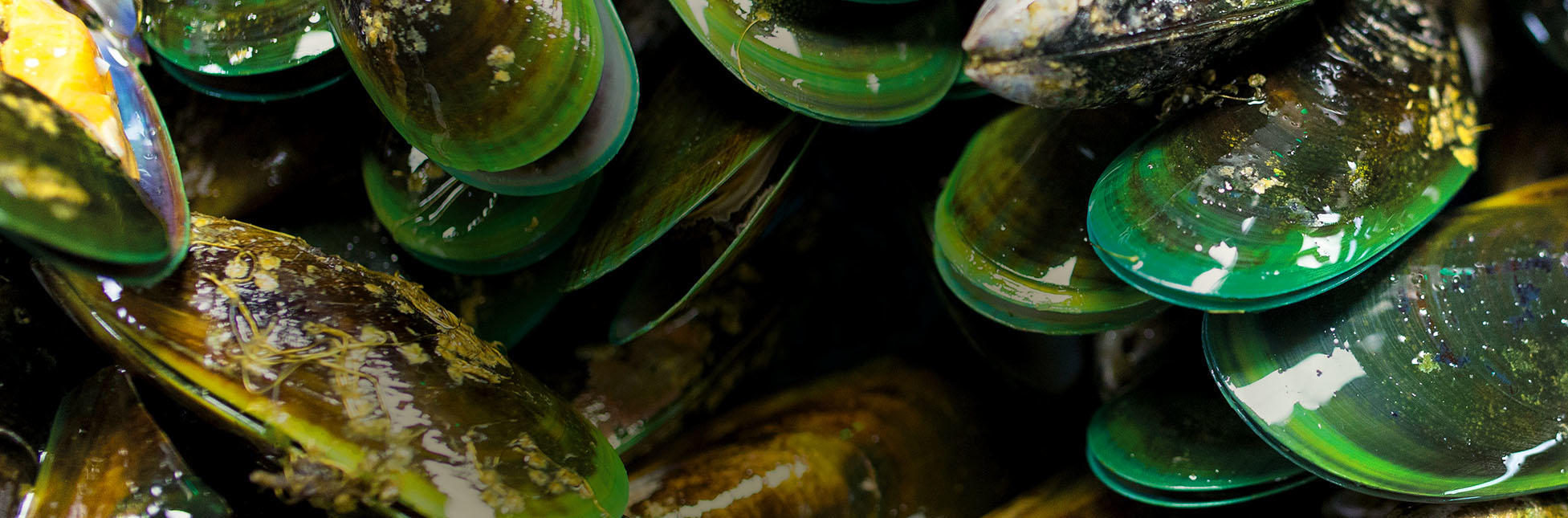
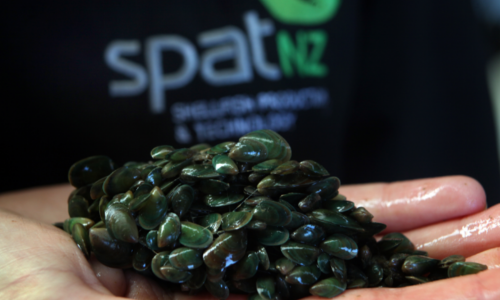
Greenshell™ mussels (Perna canaliculus) are unique to New Zealand, and one of our most iconic seafood heroes. But until recently, New Zealand’s mussel growers had little control over the production of spat (baby mussels), which were solely caught or gathered from the wild around our coastline. That has now changed, with the Sanford-owned mussel hatchery well established in Nelson. The hatchery and associated breeding programme allows the best from nature to be selected and grown, just as we do for livestock and crops.
Fruitful collaboration
The hatchery is operated by Sanford subsidiary SPATnz, which developed commercial scale spat production methods as part of a successful Primary Growth Partnership programme funded by Sanford Ltd and the Ministry for Primary Industries. This in turn built on years of research and development by Cawthron, Sanford and other mussel companies through the 1990s and 2000s.
A natural and sustainable process
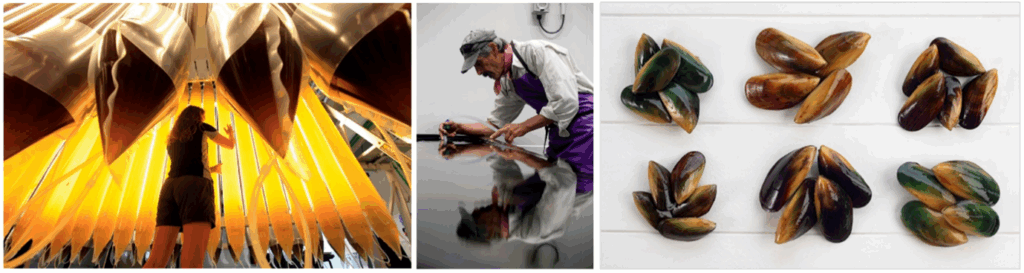
To select high-performing mussels we pair-up prospective parents to produce hundreds of mussel families, and compare the performance of those families. Modern techniques like DNA fingerprinting are used to make sure that the breeding population remains diverse. There is no genetic engineering involved. The process of spat production is also natural and sustainable. The spat are reared in natural saltwater and fed natural algae, just like they would eat in the sea. This sounds simple, but the early life stages of Greenshell™ mussels are incredibly sensitive, so there’s a lot of technology and know-how that goes into running a successful hatchery.
Benefits for mussel farmers
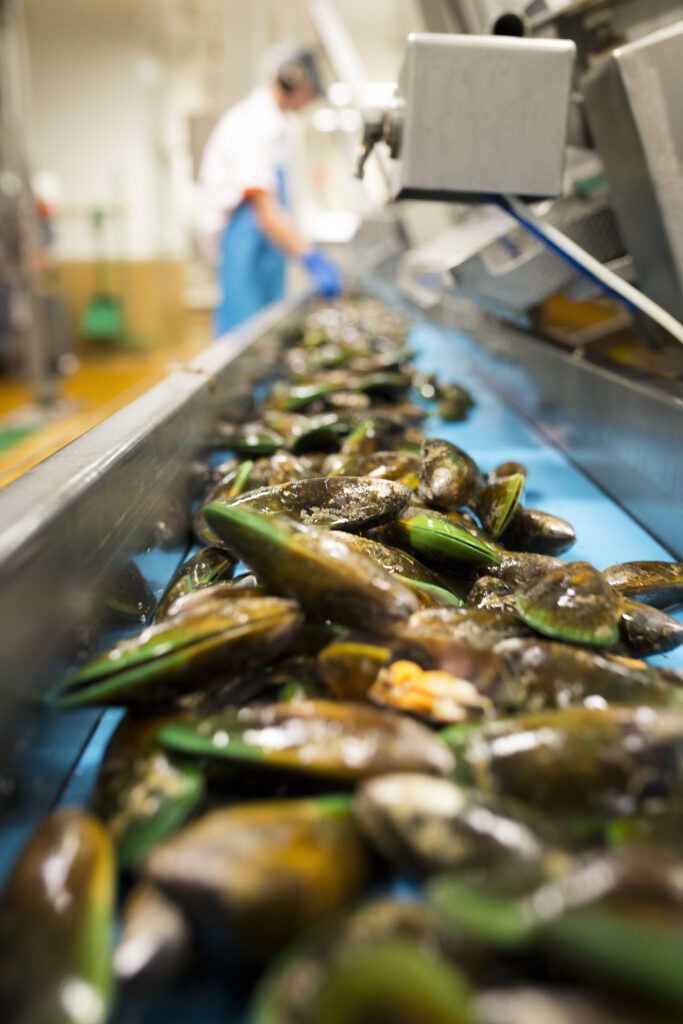
Numerous benefits from hatchery spat are now being enjoyed by Sanford and many other mussel farmers. The growth of hatchery mussels is spectacular, doubling the productivity of a Marlborough farm. The crop is more consistent in size and fattens earlier in the season, helping mussel factories operate year-round. The hatchery starts a new batch each 4 weeks, providing a regular and manageable flow of spat to farms, in contrast to the unpredictable landings of wild spat. In a changing world, we love being able to produce billions of spat in a controlled environment, and breed mussels that will meet the challenges of the future.