

New Zealand King Salmon

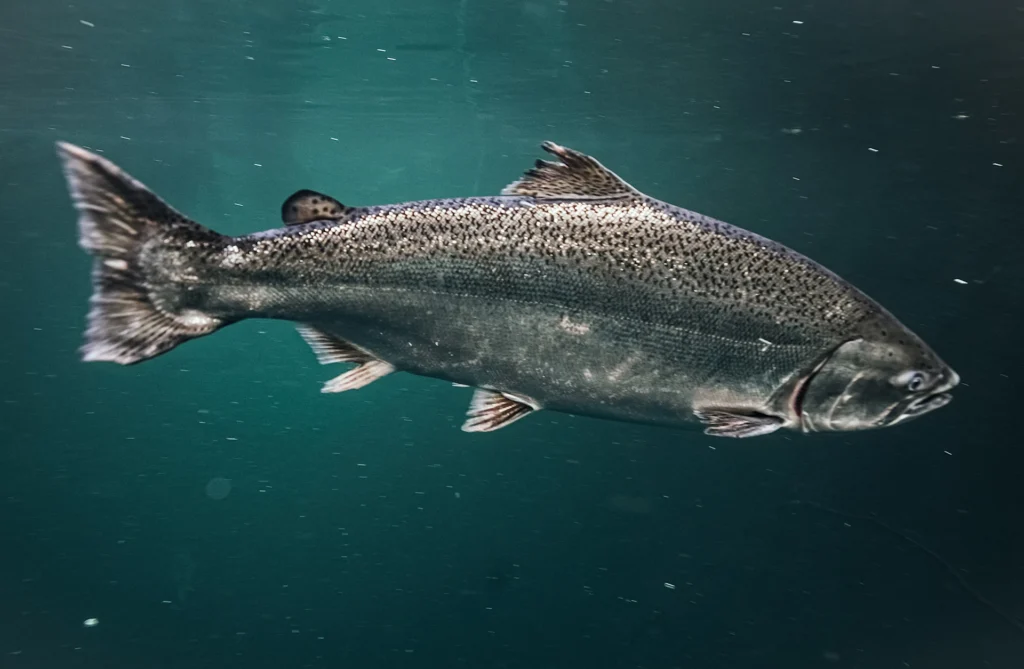
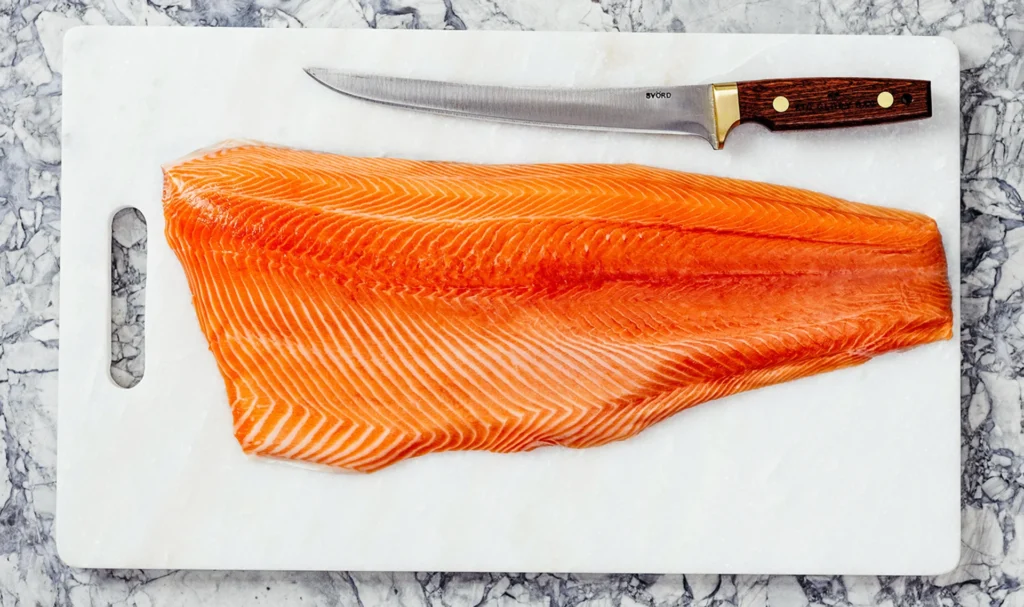
Less than 1% of global salmon production is New Zealand King Salmon – also known as Chinook Salmon. This rare species is notoriously difficult to produce so most salmon consumed globally is Atlantic Salmon. King Salmon must be farmed with care in superior conditions with plenty of space to thrive and minimal handling.

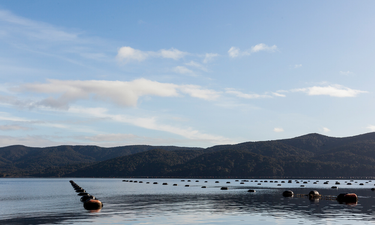
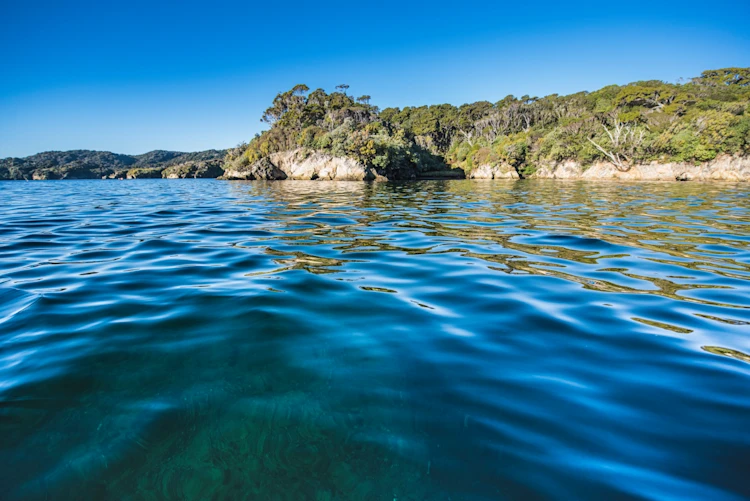
Our Big Glory Bay King Salmon are sustainably ocean farmed in the pristine coastal waters of Big Glory Bay, in Stewart Island, located at the very bottom of New Zealand. The bay’s pure waters are constantly refreshed by cold currents, keeping the temperature at a chilly 14°C (57°F). That slows the salmon’s growth, giving it time to develop its distinctive rich, smooth flavour.

Ethical Choice

Big Glory Bay’s isolation, and the purity of its waters, means our fish have always been disease and lice free. We have never had to treat our fish with antibiotics.

We have the credentials to prove our commitment to the wellbeing of our salmon and the sustainability of our environment. Our Big Glory Bay salmon farm is proudly Best Aquaculture Practices (BAP) certified.

New Zealand King Salmon is also the first ocean-farmed salmon to achieve the ‘best choice’ green rating from the Monterey Bay Aquarium’s Seafood Watch® programme.

Welcome to some of the best salmon in the world.

Award Winning

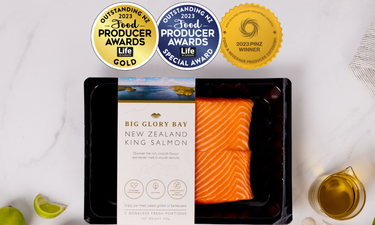
In 2023, Big Glory Bay became a two-time winner at the Outstanding NZ Food Producer Awards. Our Fresh King Salmon Portions won a gold medal and the FMCG Business Outstanding New Product award. The team of expert food judges noted our salmon was ‘Very clean, sweet flavour. Fine texture and delicious.’

We also took out the Food & Beverage Producer Award at the Primary Industries New Zealand 2023 Awards. Our commitment to sustainable and traceable farming practices was a stand-out for the judges. Another reason why we are the gold standard, from ocean to plate.

Big Glory Bay was also a finalist in the 2023 NZ Food Awards, in the Primary Sector category.

From Farm to Plate

Our Hatcheries

Our breeding programme in Waitaki Valley produces and nurtures eggs until they hatch. The healthy baby King Salmon are then grown in our hatcheries on the snow-fed rivers of New Zealand’s South Island until they are ready to be transferred to the seawater at Big Glory Bay.
Feeding

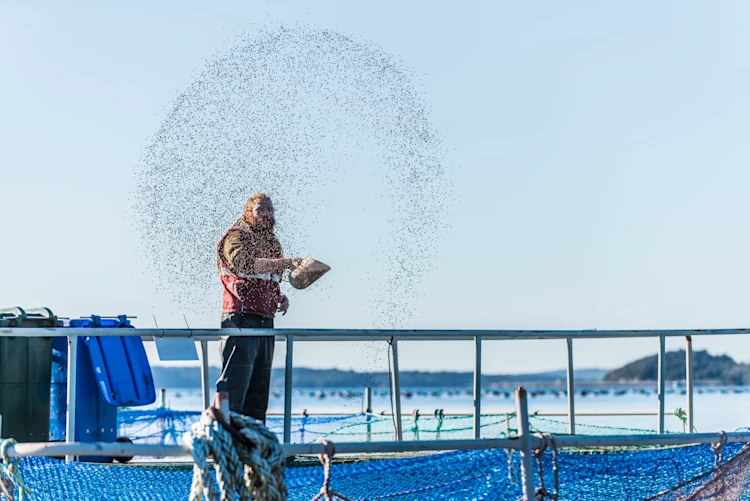
Once the King Salmon reach our farm in Big Glory Bay, they go onto a careful feeding and management programme, and are nurtured for two years until they reach their prime.
Growing

As the bay’s pure waters are cold, this means our King Salmon grow slowly, taking time to develop a distinctive flavour profile.
Harvesting

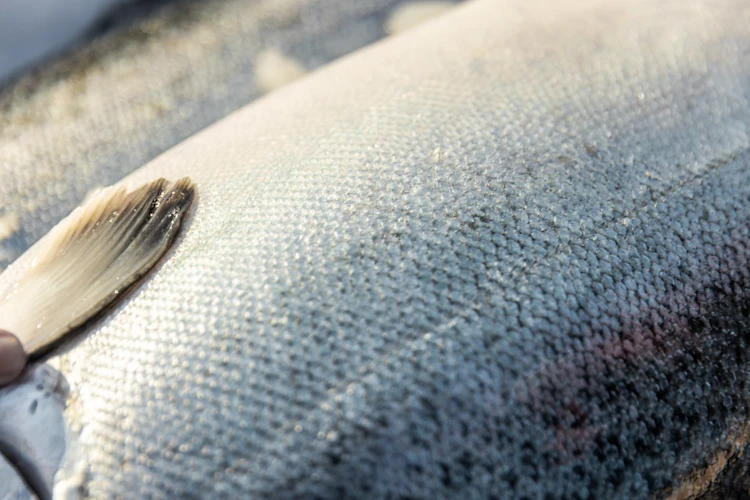
We humanly harvest our salmon at the peak of their condition at about 4.5kg to 5kg. That same day, our Big Glory Bay King Salmon are transferred back to our processing facilities in Bluff, 40 kilometres away across Foveaux Strait.
On your plate

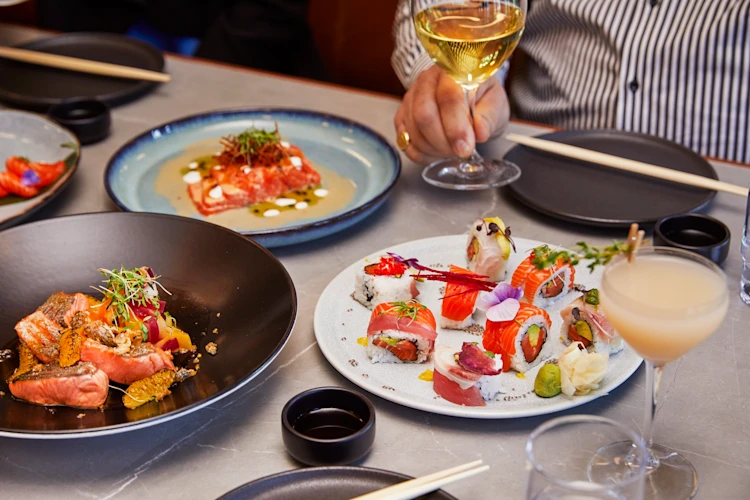
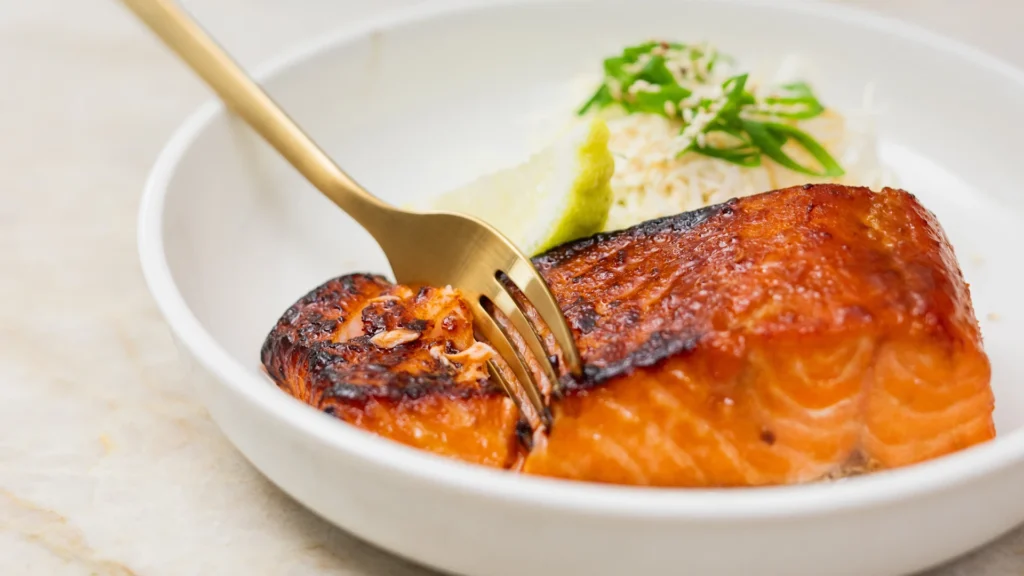
Nurtured to perfection and consistently exceptional, you can taste the difference in Big Glory Bay King Salmon. It is truly a product of its pristine environment.
Try our King Salmon

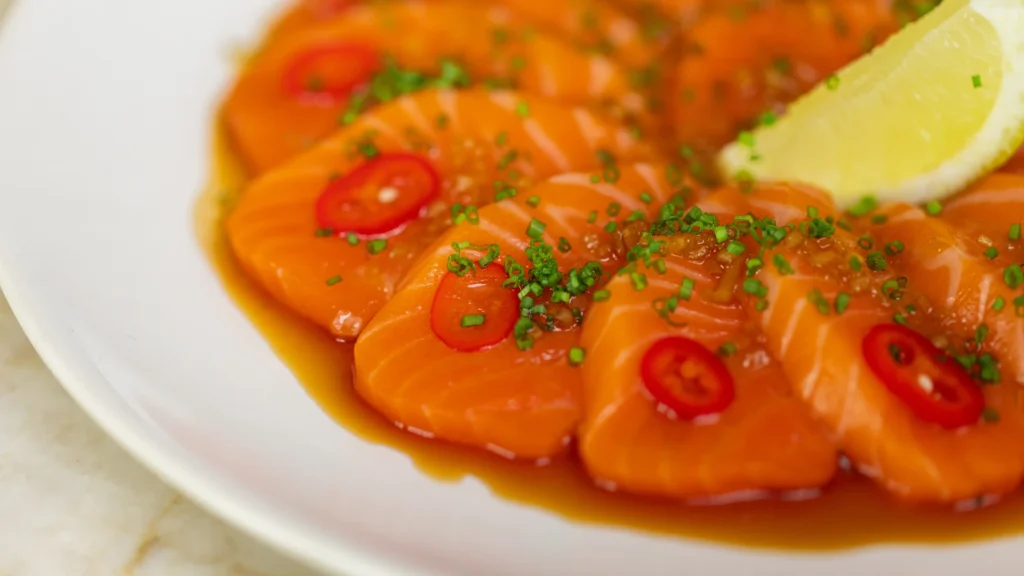
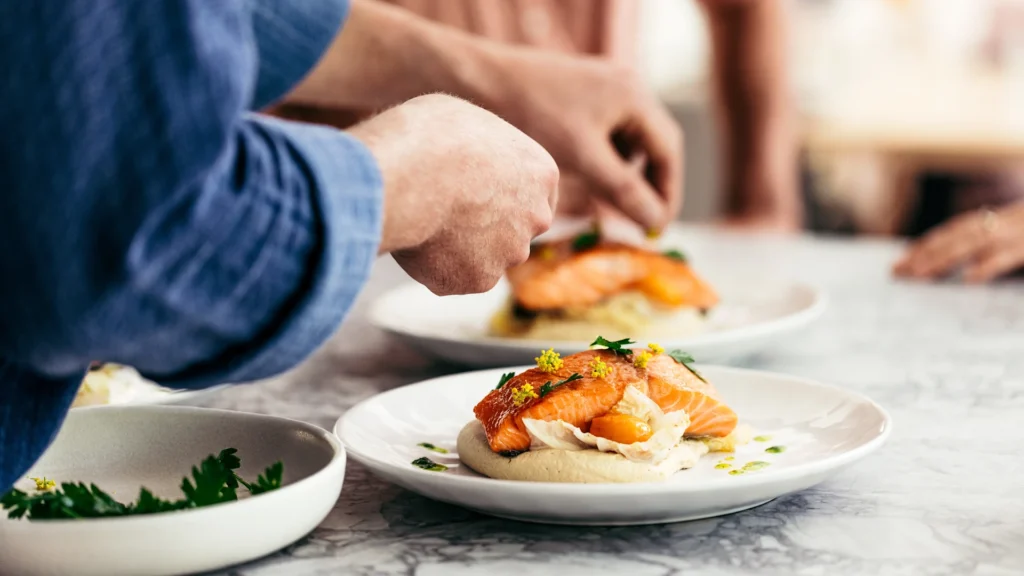
Our award-winning King Salmon feature in the finest restaurants. See here a small selection of restaurants across New Zealand and the USA where you can find our Big Glory Bay King Salmon on the menu. Please contact us to find out where a restaurant is near you.

New Zealand

USA

FAQ's New Zealand King Salmon

What is the Māori name for King salmon in New Zealand?

New Zealand King salmon (Hāmana in te reo Māori, which is the language of the indigenous people of mainland New Zealand) originates from the North Pacific (USA and Canada), where its Native American name is Chinook and its Latin name is Oncorhynchus tshawytscha. It’s all the same fish. In New Zealand we call it King salmon, which is what the fish is called in Alaska.

Absolutely. When King salmon were introduced to New Zealand back in 1890s, they were first released into the fresh water braided rivers. They survived best in the central and lower South Island rivers like the Waitaki, Rakaia and the Rangitata. Wild King salmon spend their life at sea and return to the headwaters of these rivers as adult fish to spawn. They lay their eggs in the river shingles, and once hatched, the young fish swim back down the river to the sea.

Freshwater salmon are regulated by New Zealand Fish and Games Councils. There are catching limits restricting the number of fish recreational fishers can catch each day. Recreational fishers aim to catch salmon at or near to the mouth of the river when the fish are coming back to spawn.